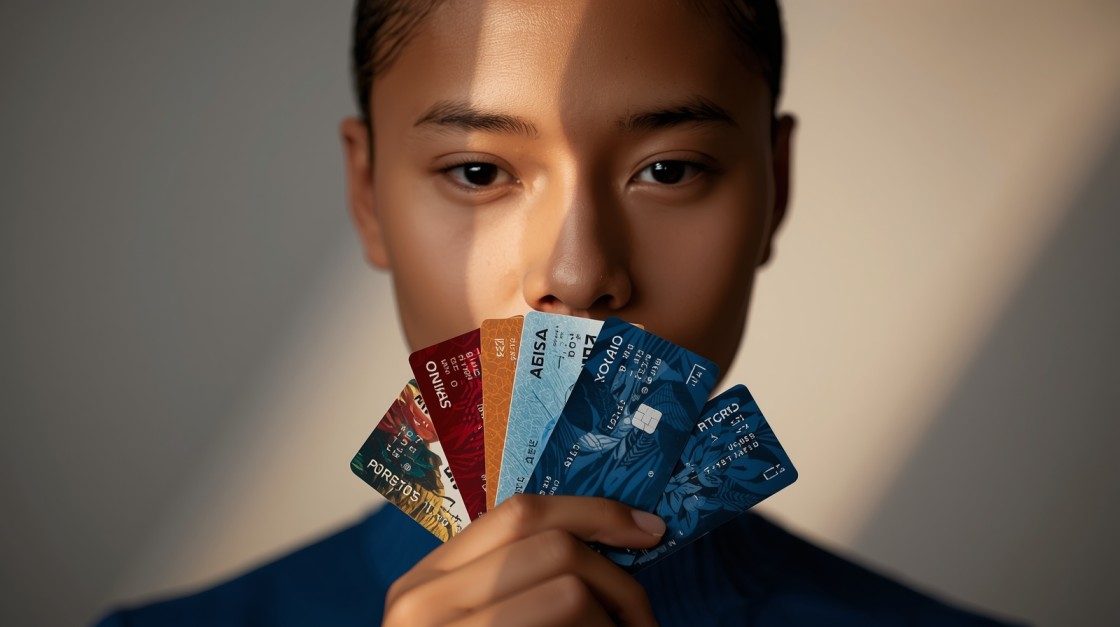
Credit cards are no longer a luxury in India—they’ve become a smart financial tool for everyday payments, EMI purchases, travel benefits, and improving credit scores. However, first-time users often choose the wrong card or fall into hidden charges simply because they don’t understand how credit cards work.
If you’re planning to get your first credit card, here are 10 essential things you must know. These tips will save you money, improve your credit score, and help you maximize card benefits.
1. Annual Fee vs Lifetime Free Card — What Should You Choose?
The first confusion most beginners face is choosing between a paid card and a lifetime-free card.
Choose based on your spending:
- If your monthly spending is low or moderate → Lifetime Free card is best
- If you want lounge access, high cashback or premium features → Paid card is fine
Always read the fine print because many banks claim “Free for first year” but charge from the second year.
2. Credit Limit — Is Higher Limit Better?
New cardholders usually receive a low credit limit at first.
But many ask: Should I take a higher limit if the bank offers?
Yes — but use it responsibly.
A higher limit:
- Keeps your Credit Utilization Ratio low
- Helps you build CIBIL score faster
Try to use only 30% or less of your total limit. This is the golden rule for a healthy credit profile.
3. Interest Rates — The Biggest Trap for Beginners
Most people don’t realize how expensive credit card interest is.
Indian credit cards charge 36%–42% annual interest on pending balance.
Remember:
- Minimum Payment = Debt trap
- Full Payment = Smart card usage
Always pay the full bill before the due date.
4. Hidden Charges — The Silent Credit Card Traps
Always check the “Schedule of Charges” before applying. Some common hidden fees include:
- Late payment fee
- Cash withdrawal fee
- Over-limit penalty
- Currency conversion charges
- EMI foreclosure fee
Knowing these helps you avoid unnecessary loss of money.
5. Rewards vs Cashback — Which Is More Beneficial for You?
Every credit card is designed for a certain type of spending.
Choose a card based on your lifestyle:
- Shop online frequently → Cashback cards
- Travel often → Miles & travel rewards cards
- Spend more on daily essentials → Supermarket/grocery rewards card
- Want flexibility → General rewards points card
The wrong card gives you zero benefits, even if you use it regularly.
6. International Usage — Important for Students & Travelers
Not all cards support international transactions.
Before choosing a card for foreign payments, check:
- Forex Markup Fee (standard: 3.5%)
- Whether the card supports global usage
- Charges for international ATM withdrawal
If you travel often, choose a low forex markup credit card.
7. How Your First Credit Card Builds Your CIBIL Score
Your first credit card becomes the foundation of your credit worthiness.
Banks use this score to approve loans, EMIs, and future cards.
Your credit score depends on:
- On-time payments
- Low utilization (below 30%)
- Keeping your oldest card active
- Avoiding too many credit card applications
If used correctly, your CIBIL can reach 750+ within 6–9 months.
8. EMI vs Pay Later — Which One Should You Choose?
“Pay Later” options are trending in India, but they aren’t always the best.
Credit Card EMI is usually better because:
- Interest is lower
- Offers like No-Cost EMI are available
- Payments boost your credit history
- EMIs are flexible and more transparent
Use Pay Later only if necessary. Credit card EMI is generally safer.
9. Fraud & Security Features — A Must in Today’s Digital World
Online scams are rising quickly in India. Choose a card with strong security features:
- Zero Liability Protection
- Instant transaction alerts
- Secure OTP-based payments
- Easy card blocking from app
Never share your card details on WhatsApp, Telegram, unknown websites or any unverified sources.
10. Best Type of First Credit Card (For Beginners in India)
If you are a complete beginner, start with one of these:
- Lifetime Free Card (no annual fee)
- Entry-level cashback card
- Secured credit card (based on Fixed Deposit)
- Basic reward points card
These are easy to get and have fewer charges.
Conclusion: Be Smart, Not Just a Cardholder
Your first credit card can either improve your financial life or create unnecessary debt—it depends on how wisely you use it.
Always remember:
- Pay bills on time
- Keep card utilization low
- Understand charges before applying
- Choose the card that matches your lifestyle
Follow these rules and you’ll enjoy premium card features, higher limits, and a strong credit score in the future.
Leave a Reply